The core of it is rentremote_bot, a content engine I designed and built from the ground up. Publishing was the bottleneck: each article took three to four hours, the SEO tooling cost more than the content it produced, and the output was not reliably tied to a business goal. A plug-and-play fix did not exist, so I made the strategic choice to build one, presented the case to the team, and got it approved. It became the first complete AI automation system the marketing department had, and by the time I left Dure it had automated the entire publication cycle.
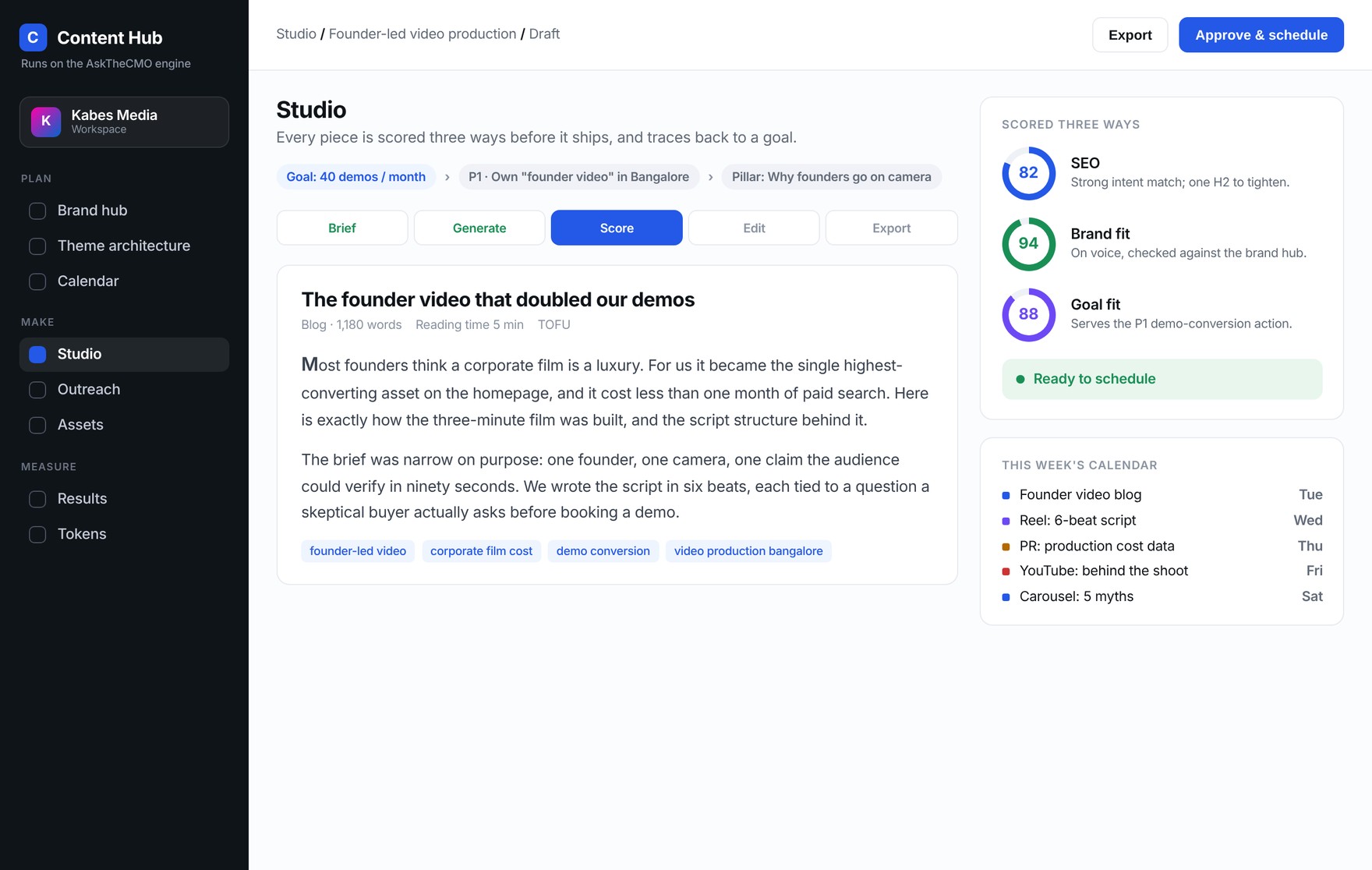
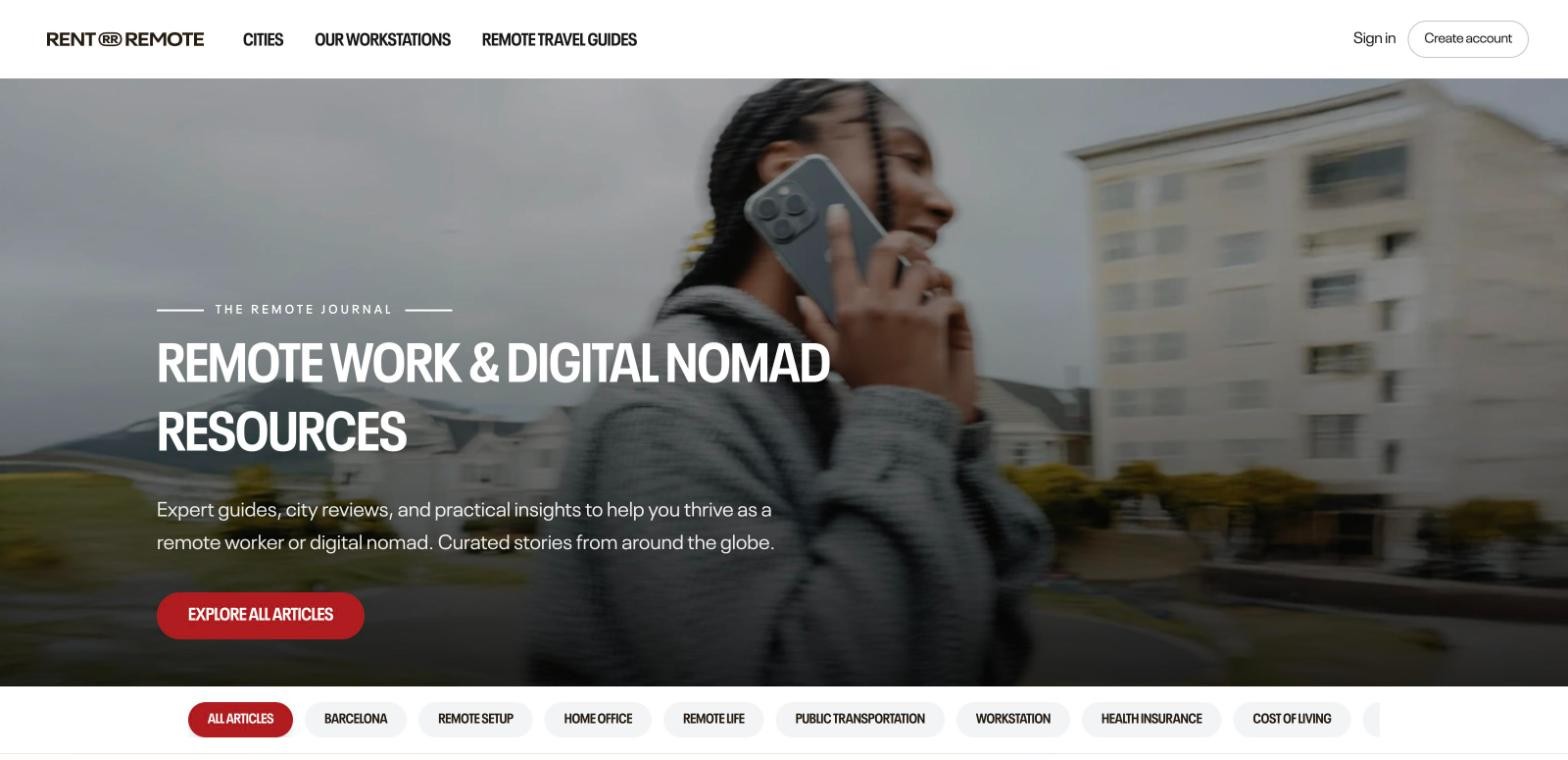
It grew out of two client problems that turned out to be the same problem. RentRemote needed SEO content at a volume the budget could not sustain on paid tools. Alopexia needed a content operation that stayed on-brand across markets and languages. Both were the expensive, repetitive work of deciding what to publish and producing it well. I built the research and scoring in-house, then merged the two engines into one hosted system, Content Hub, that any content team can run. It is built as an extension of the AskTheCMO engine: AskTheCMO diagnoses a business and produces a plan, and Content Hub picks that plan up and runs it, every piece traced back to the business goal.
01
Replacing the paid stack with in-house logic
The SEO half rebuilt what SurferSEO and SEMrush do, scraping and scoring, as modules I control. A topic goes in; the engine researches it, weights it against real search demand, and returns a brief scored for the thing the paid tools charge most for. The difference is that I can see and change every rule, and it runs at the volume the client needs without the subscription stack. On RentRemote it cut blog production from three to four hours to under forty-five minutes, and took organic traffic from three thousand to over thirty thousand monthly visits in ten months.
02
Planning grounded in semiotics
Scoring keywords is the commodity half. The judgement is in the calendar: themes, content pillars, how a topic branches, and which framing a given audience will actually read as intended. That planning logic carried over from the brand work, a semiotic approach to how meaning is built and sequenced, so the output is on-brand and strategic, not just optimised. Every piece aligns to the business goal rather than chasing traffic for its own sake.
03
One system, for a whole content team
Merged, the engine behaves like a dashboard for the full content operation: plan, generate, score, keep or revise, and schedule. It is designed to take a strategy's accepted goals and turn them into enablement material, so the thread from business objective to published post stays unbroken. It is now being productised as a hosted tool rather than a per-client build.